
On Snaw-naw-as territory, a once-quiet stretch of farmland is coming back to life.
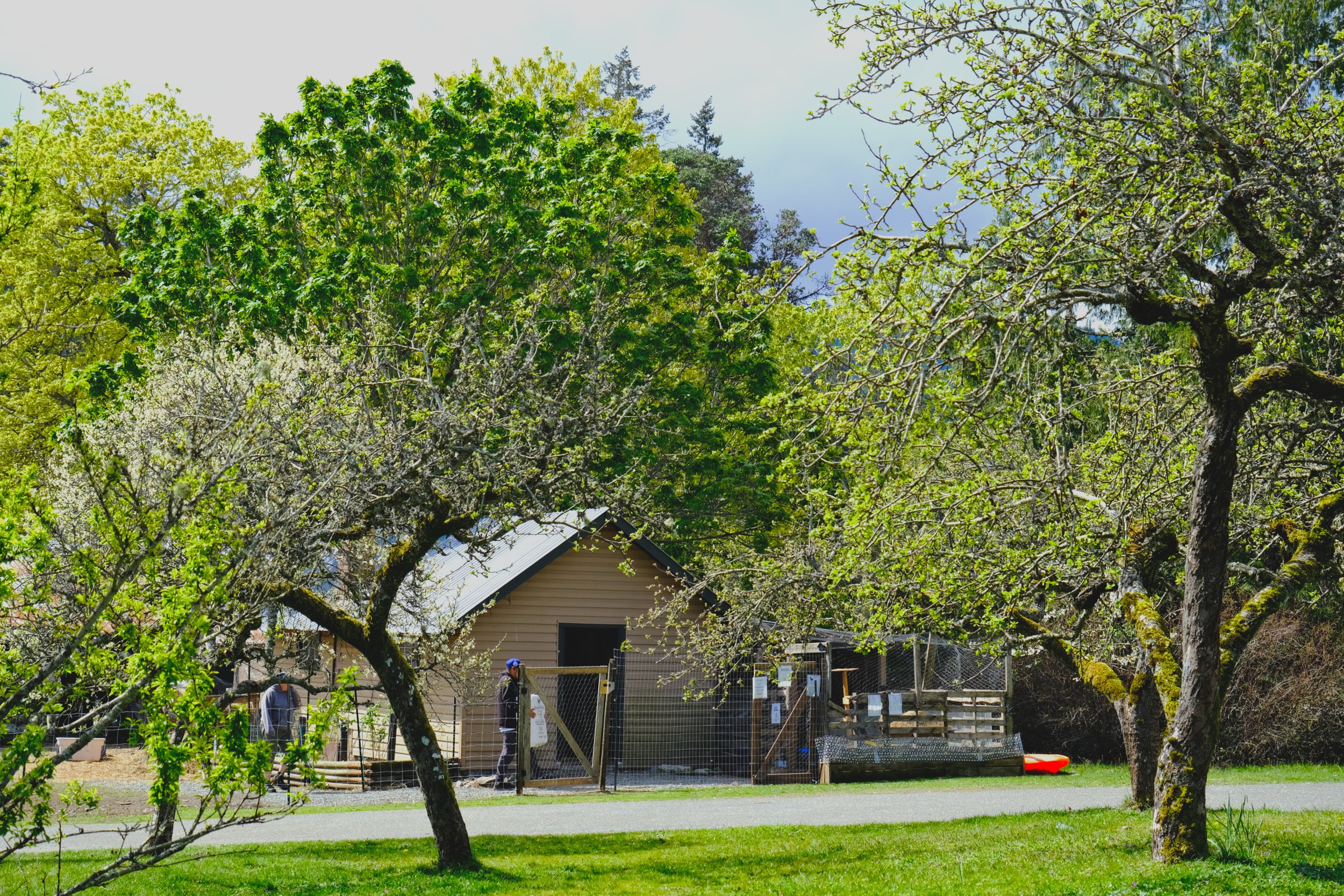
After sitting unused for nearly 30 years, 13 acres along Lantzville Road are now home to Rooted Shores Farm: a growing, working farm grounded in Coast Salish values and guided by a vision of food security, community strength, and long-term sustainability. What began as fallow land is now a place of movement and purpose: raised beds filled with soil, greenhouses protect delicate seedlings, animals cared for daily, and community members working, learning, and reconnecting to the land.
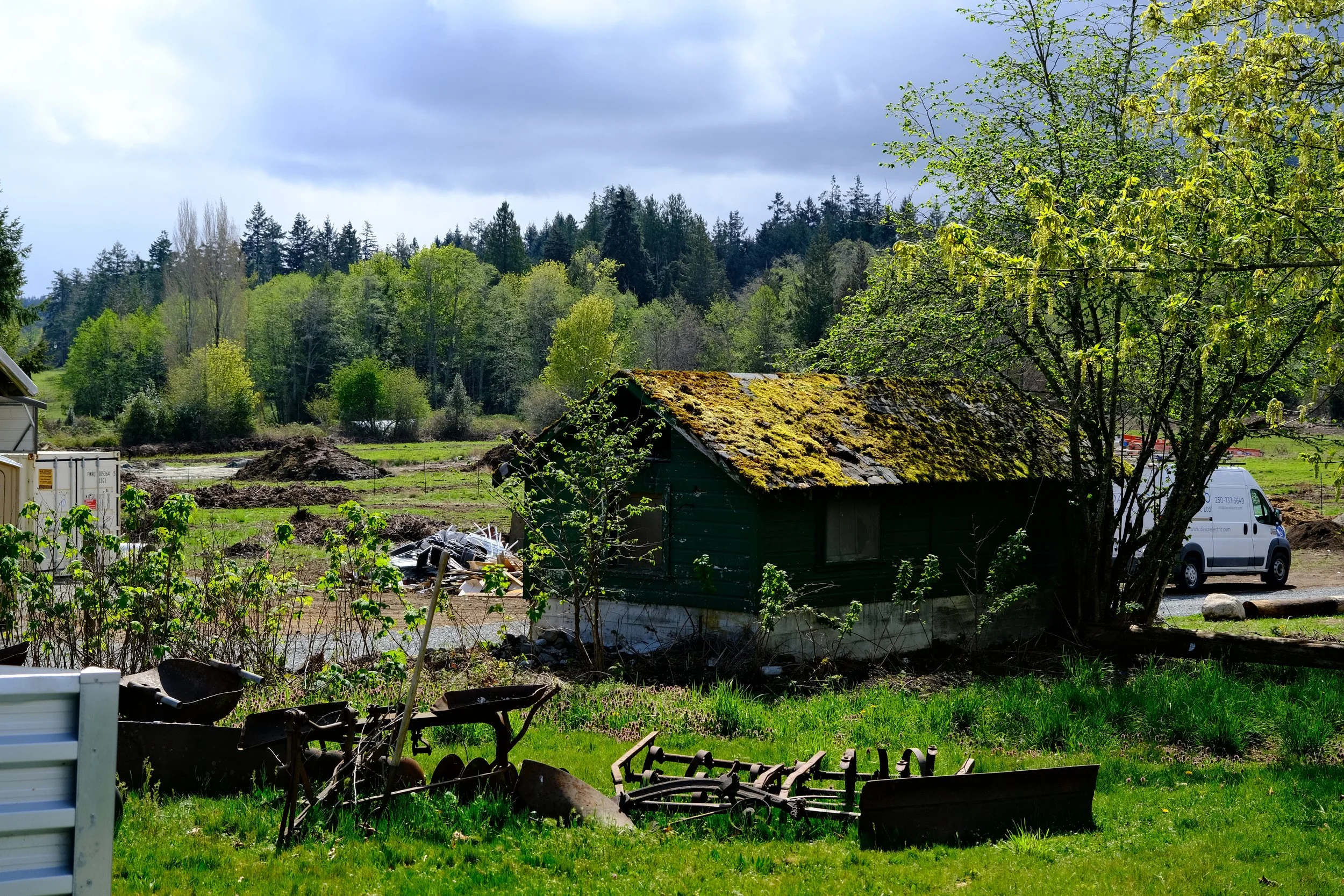
Rooted Shores is more than a farm. It is a response to rising food costs, to fragile supply chains, and to the need for stronger, local food systems that can support Snaw-naw-as families now and into the future. Developed by Snaw-naw-as Nation in partnership with the Nanoose Economic Development Corporation with support from Sustainable Food Security, the farm reflects a deeper commitment to self-determination: bringing food, skills, and opportunity closer to home.
Bringing the Land Back to Life
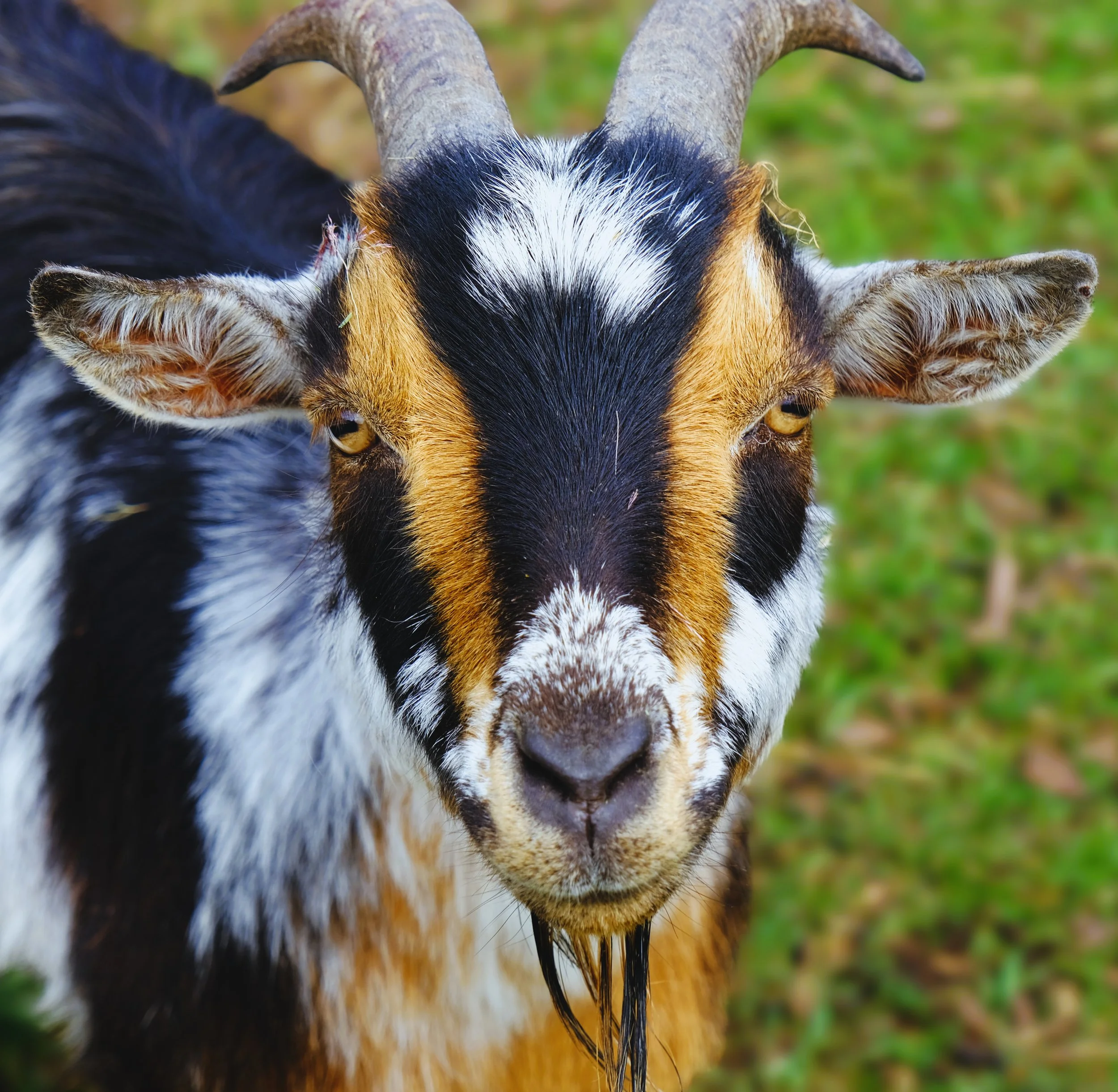
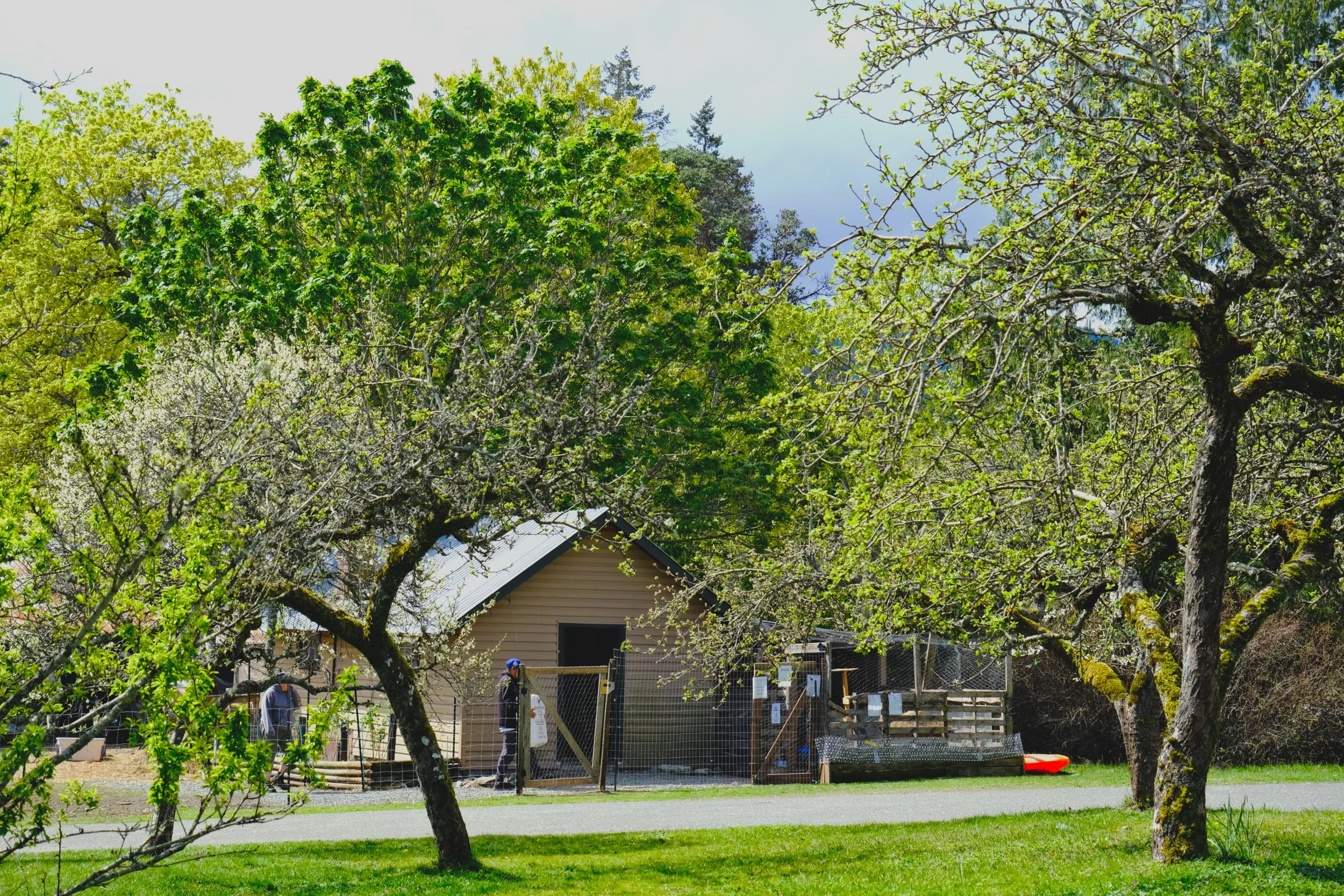
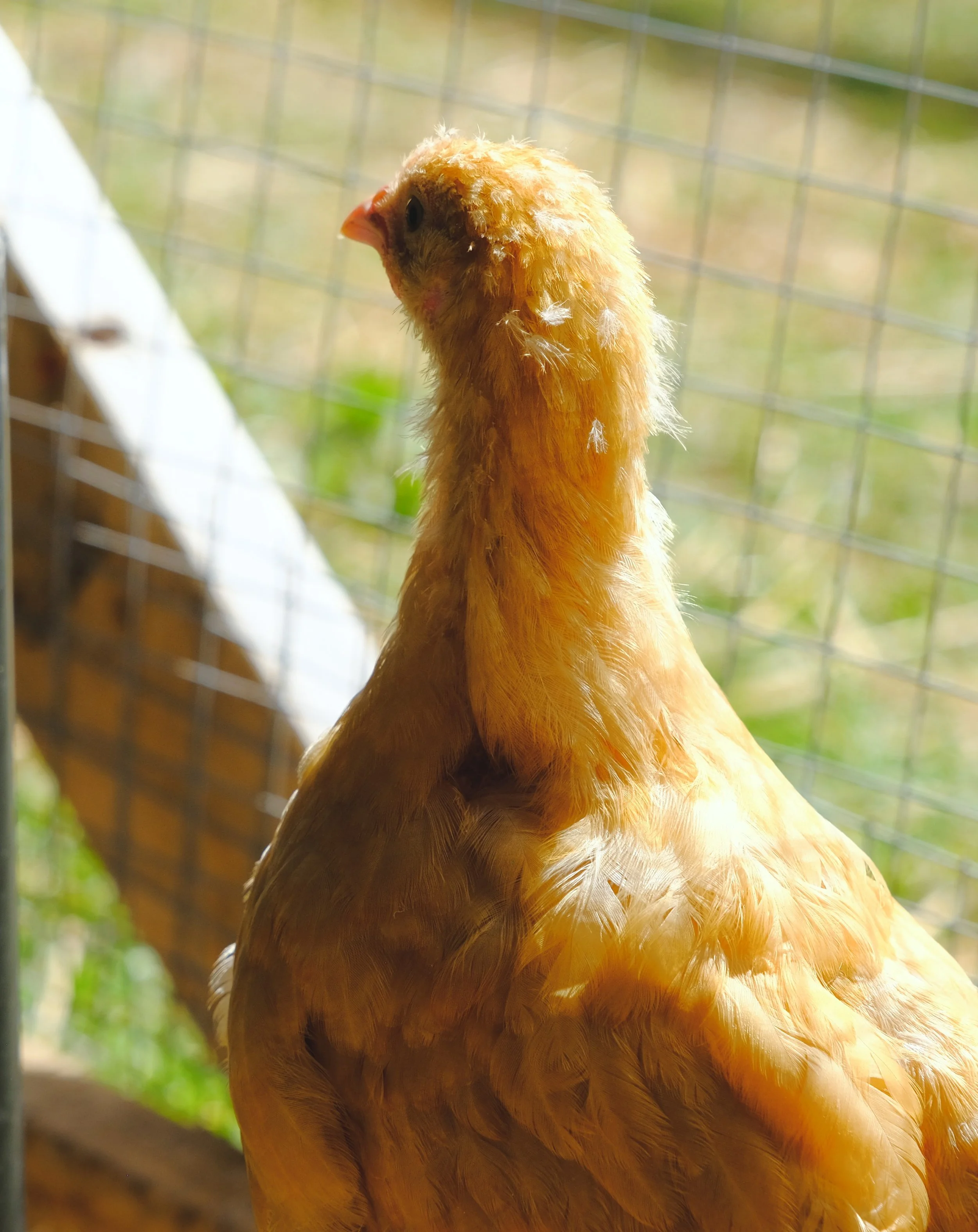
Before the first seeds were planted, the work began with restoration. Blackberry and bramble were cleared, ponds were dug for irrigation, and coops and pens were built. Raised beds from the community gardens were moved onto the site, and animals began to arrive: chickens, ducks, goats, and geese, each becoming part of a growing ecosystem.
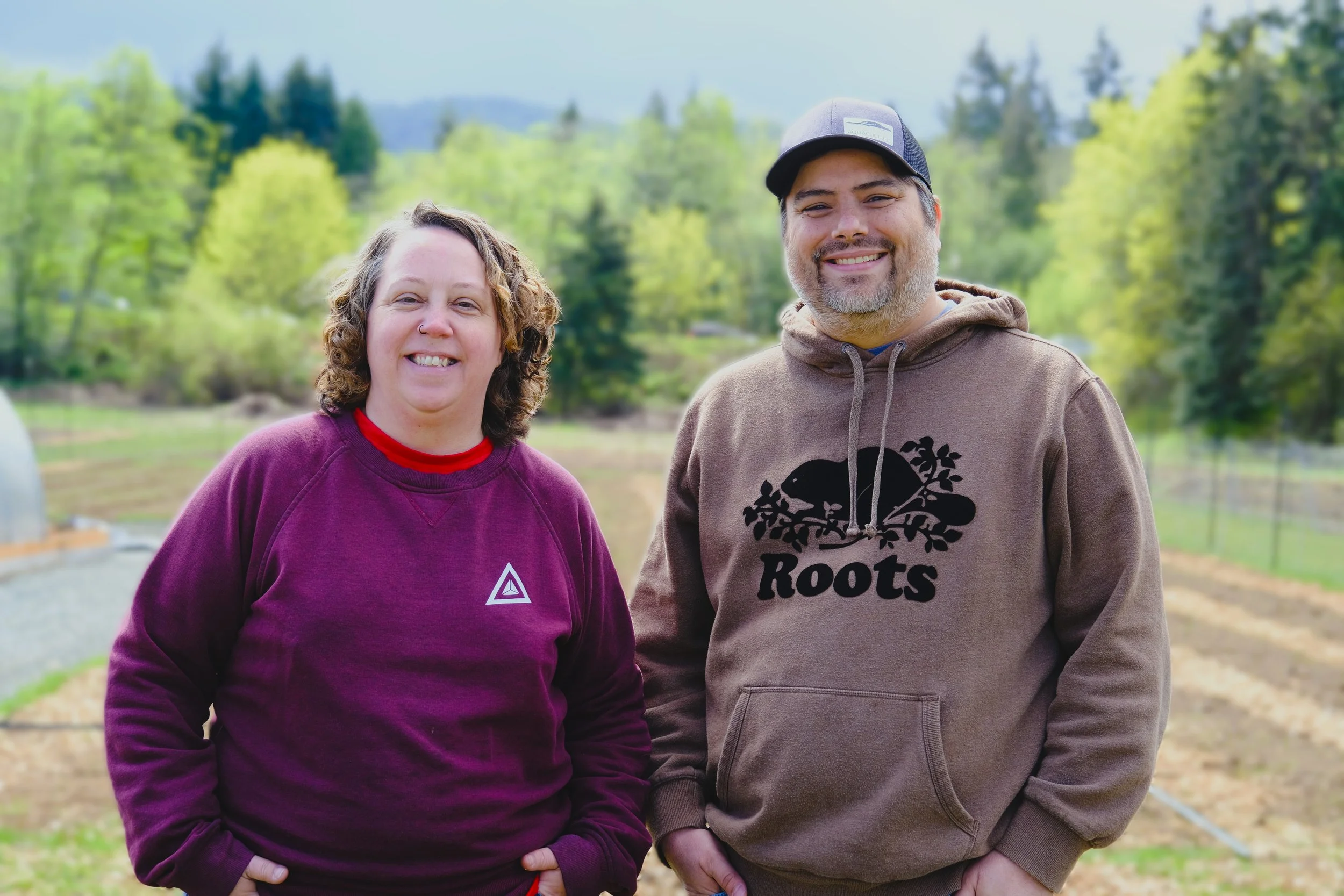
Today, the farm is already active and evolving. It is home to hundreds of birds and small livestock, and it continues to expand through careful, steady effort. Importantly, this work is not volunteer-based; it is supported through paid employment, with many positions held by Snaw-naw-as members. In this way, the farm is not only producing food, but also creating meaningful work and building local capacity.
Guided by Coast Salish Teachings
At its core, Rooted Shores is grounded in Coast Salish values: respect, reciprocity, and care for the land. These teachings are lived through snuw’uy’ulh (oral teachings), nutsamaat (working together as one), and tzowtun (helping one another).
On the farm, these values show up in everyday practices: how animals are cared for, how soil is tended, and how food is grown with future generations in mind. The land is not treated as something to be used up, but as something to be cared for and strengthened over time.
This approach shapes not only how the farm operates, but also what it offers. Through hands-on workshops, youth engagement, and community learning opportunities, Rooted Shores creates space for people to reconnect with food, with land, and with knowledge that has always been here.
Growing Food, Growing Knowledge
Rooted Shores is designed as a place of learning as much as production. Community members, youth, and interns participate in hands-on training in gardening, greenhouse growing, food preservation, and farm operations. Learning happens through doing: planting, harvesting, caring for animals, and working together.
These experiences build more than practical skills. They build confidence, connection, and a sense of responsibility. Participants leave not only knowing how to grow food, but understanding that food security is rooted in relationships with each other and with the land.
The farm also supports local families through Community Supported Agriculture (CSA), Harvest Boxes, eggs, poultry, and fresh produce. By keeping food production local, Rooted Shores helps reduce reliance on external systems while increasing access to healthy, sustainably grown food.
Stewardship in a Changing Climate
Like many land-based initiatives, Rooted Shores is already feeling the impacts of climate change—unpredictable weather, shifting seasons, and changing water patterns. In response, the farm is building resilience through diversified crops, greenhouse growing, and regenerative, soil-building practices.
Food is grown without synthetic sprays, and care is taken to support soil health and biodiversity. These practices reflect a deeper understanding: that caring for the land is inseparable from caring for community.
Indigenous-led initiatives like Rooted Shores play a critical role in this work. By keeping decision-making close to the people who hold responsibility for the land, they ensure that stewardship is guided by knowledge, accountability, and long-term vision.
Looking Ahead
While much has already been accomplished, Rooted Shores is still growing. The vision is to continue developing the farm as a community food hub, expanding production, increasing training opportunities, and strengthening access to locally grown food.
Success is not measured only in yield, but in relationships: how many people are learning, how many skills are being shared, and how deeply the work is rooted in community.
At Rooted Shores, the focus is on what can be carried forward. When the land is cared for with respect and intention, it responds. And what is built today - knowledge, connection, and nourishment - will continue to support generations to come.
Eat locally and support Rooted Shores Farm
The farm offers pre-paid weekly Community Supported Agriculture boxes. Beginning in May, subscribers can receive a mix of 6 to 8 kinds of fresh vegetables grown locally with respect for the land, and guided by Coast Salish values.
You can also add farm-fresh eggs or cut flowers to your weekly box for an additional cost.
Not ready to sign up? Visit the farm to check out their farm stand and purchase fresh chicken, duck and goose eggs, as well as herbs, soap and vegetables when available!