
Earth Day is more than a single day—it’s a reflection of the deep, ongoing relationship Indigenous communities have with the land, waters, and all living beings in a Coast Salish lens. Across our member Nations, these connections are carried through teachings, language, and everyday practices that honour responsibility to the land and to future generations.
From restoring waterways to creating spaces for land-based learning, communities continue to lead meaningful work grounded in respect, stewardship, and care. These stories are just a glimpse into the ways Nations are protecting, restoring, and strengthening their relationships with the land - today and for generations to come.
What’s Happening in Stz’uminus: Restoring Waterways, Revitalizing Ecosystems
Earth Day is a time to recognize the importance of restoring and protecting our natural environments, and the role communities play in caring for the lands and waters we all depend on.
In partnership with local leadership and neighbouring Nations, meaningful steps are being taken to restore ecosystems and support the health of our waterways. The following story highlights this work in action:
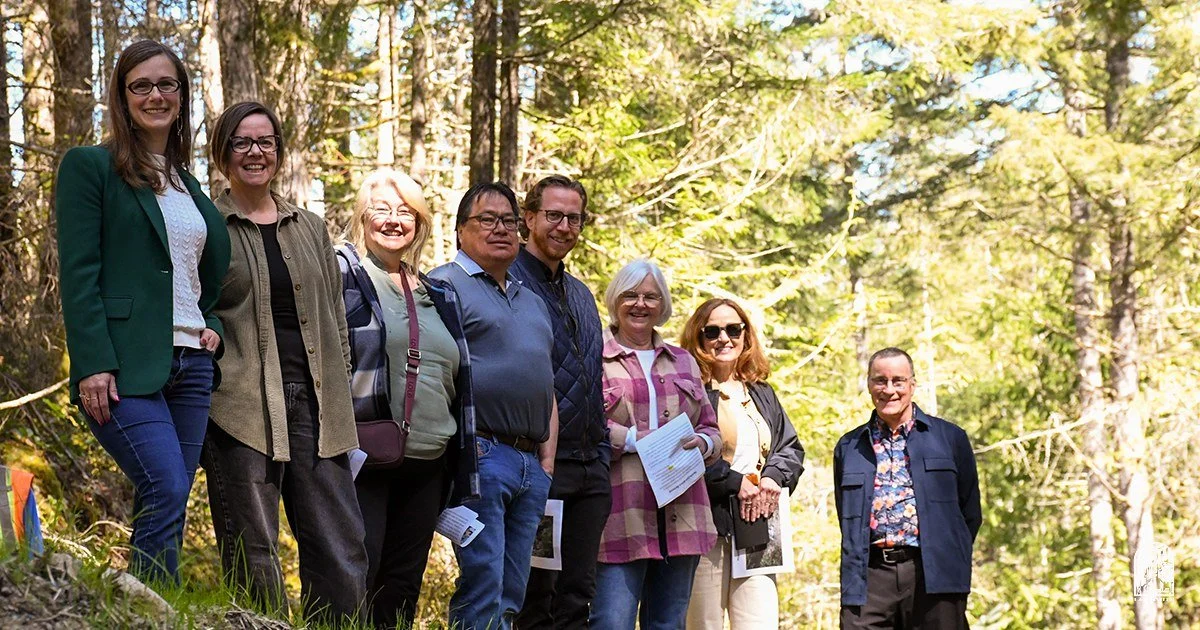
“Early April, Mayor Deena Beeston, Councillors Tricia McKay and Ray Gourlay, along with Stz’uminus First Nation Chief John Elliott, Ladysmith-Oceanside MLA Stephanie Higginson, and Minister of Emergency Management and Climate Readiness Kelly Greene (MLA for Richmond-Steveston), got a first-hand look at the results of the Mackie and Colonia dam removals in Holland Creek.
Last year, the Town removed the abandoned Mackie and Colonia dams along Holland Creek, restoring the creek to its natural state. This work has enabled fish to move freely and significantly improved the creek’s overall ecological health.
The project was supported through a $2.75 million grant from the UBCM Community Emergency Preparedness Fund for Disaster Risk Reduction–Climate Adaptation, awarded to remediate three dams along Holland Creek, including the Mackie and Colonia dams.”
— Shared from the City of Ladysmith
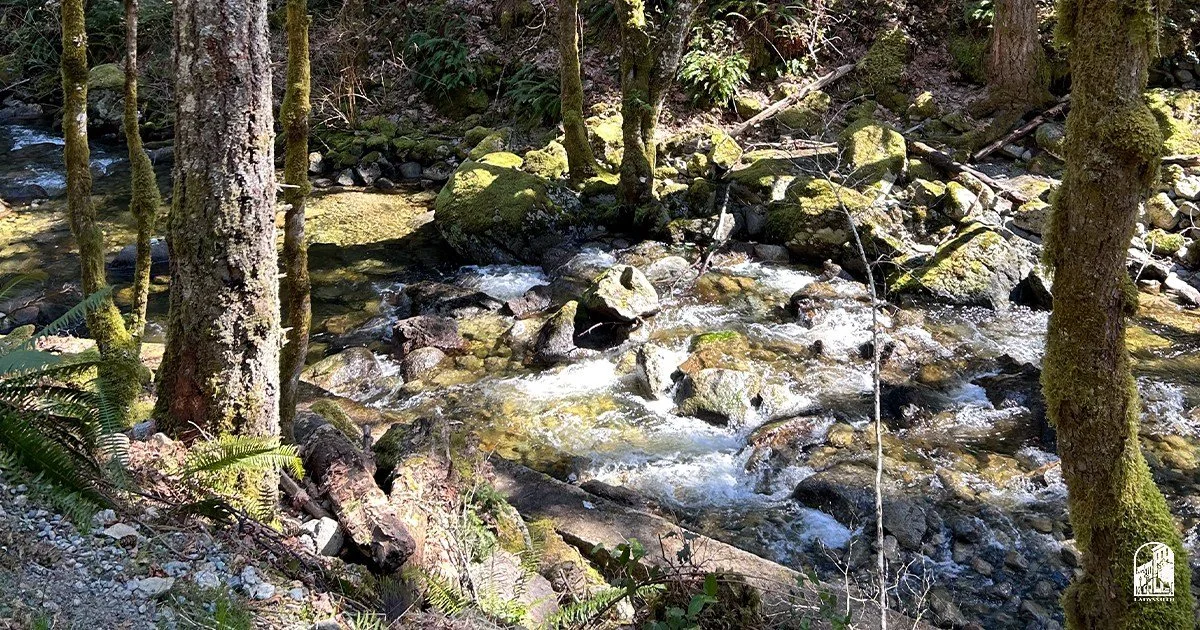
Projects like this show how restoring the land and waters can create lasting impact—not only for the environment, but for future generations who rely on healthy, thriving ecosystems. It’s a reminder that when communities come together with a shared responsibility to care for the land, meaningful change is possible.
Penelakut: Creating space for Connection through Land-Based Learning
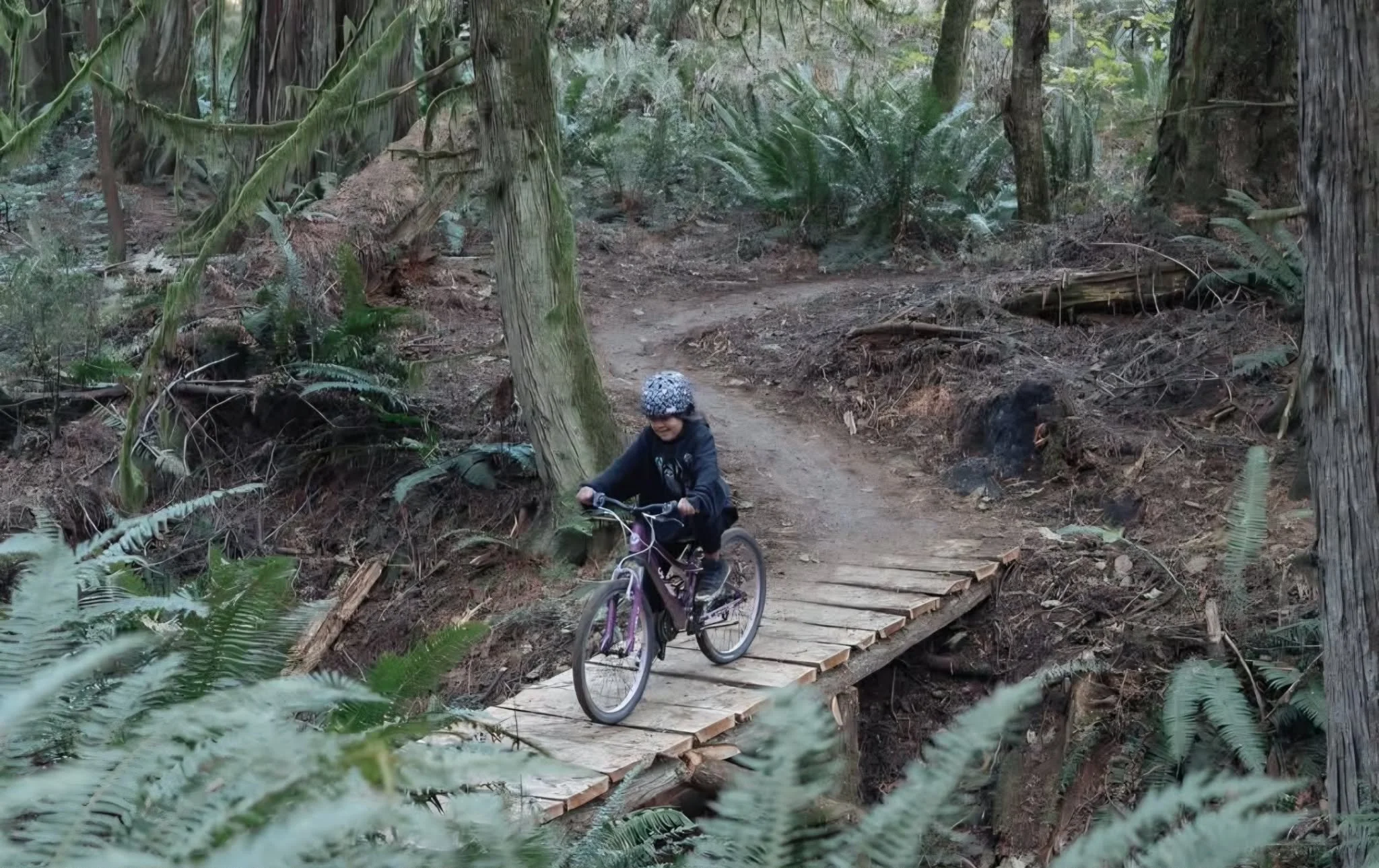
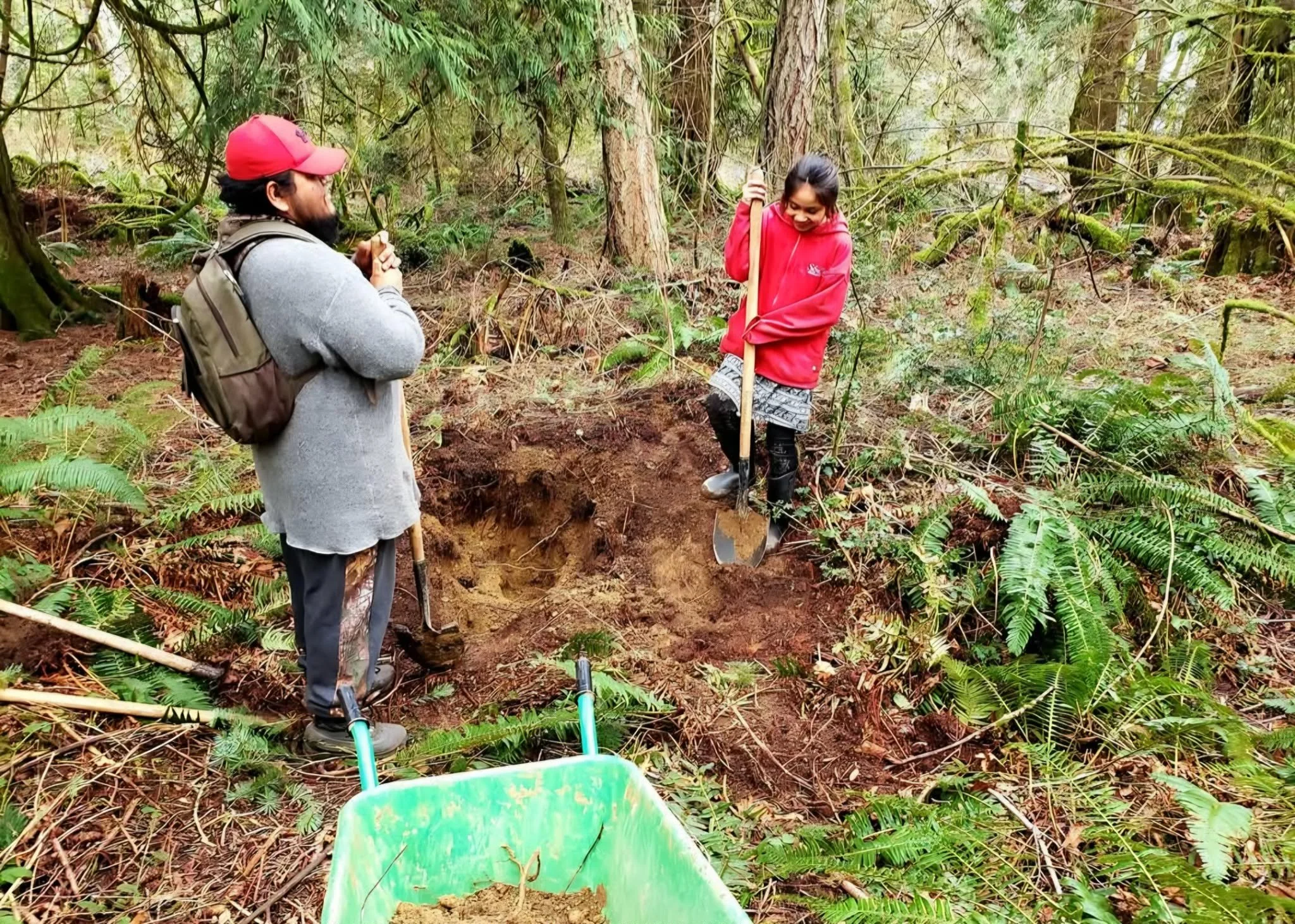
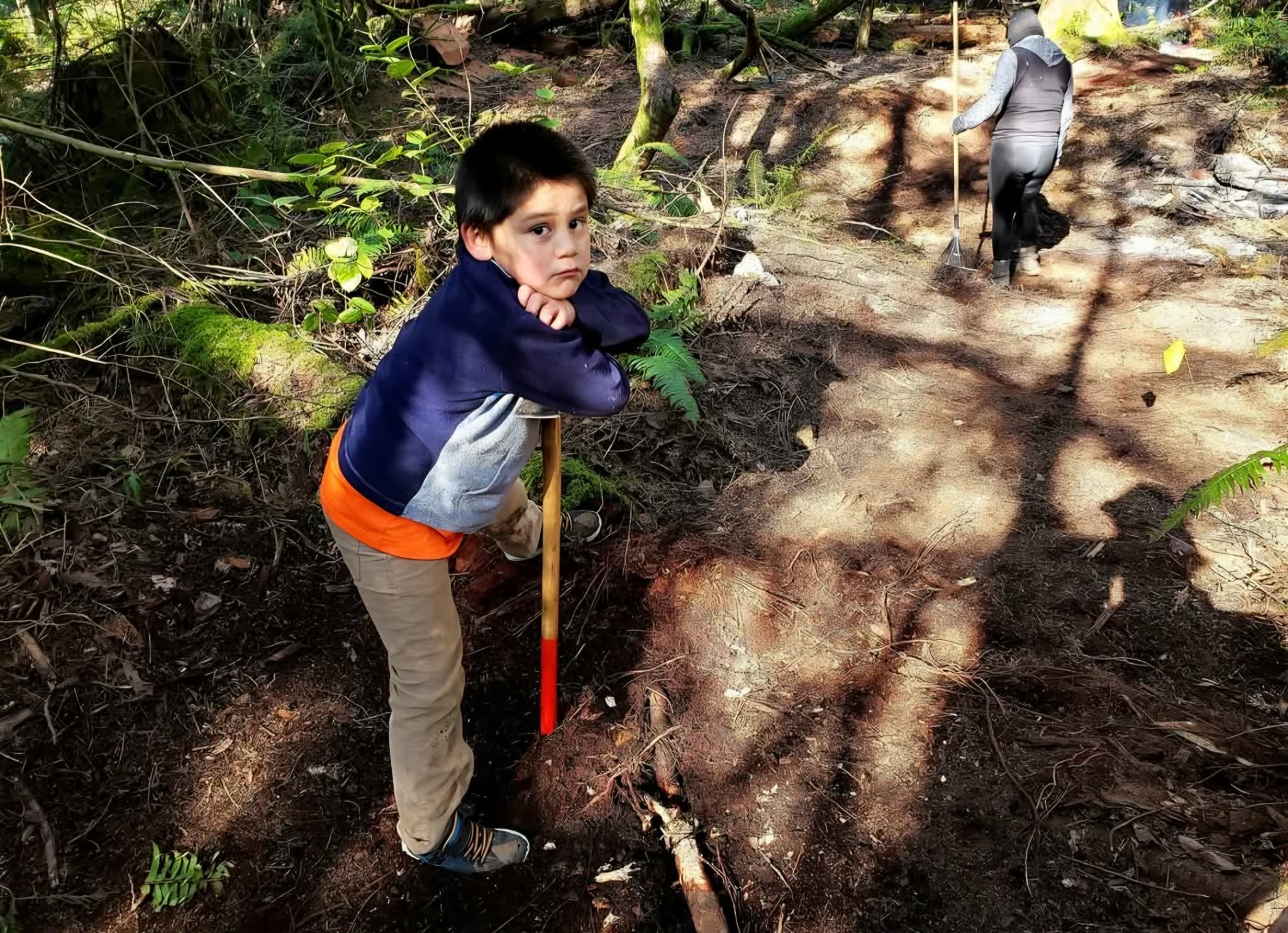
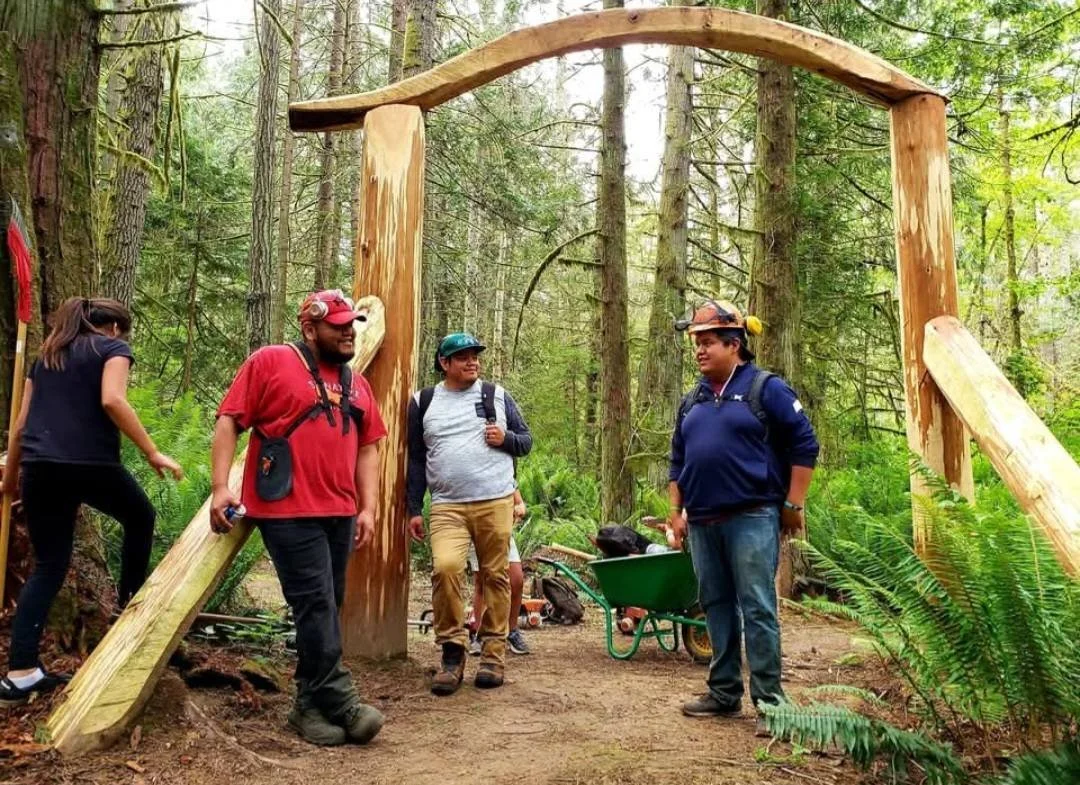
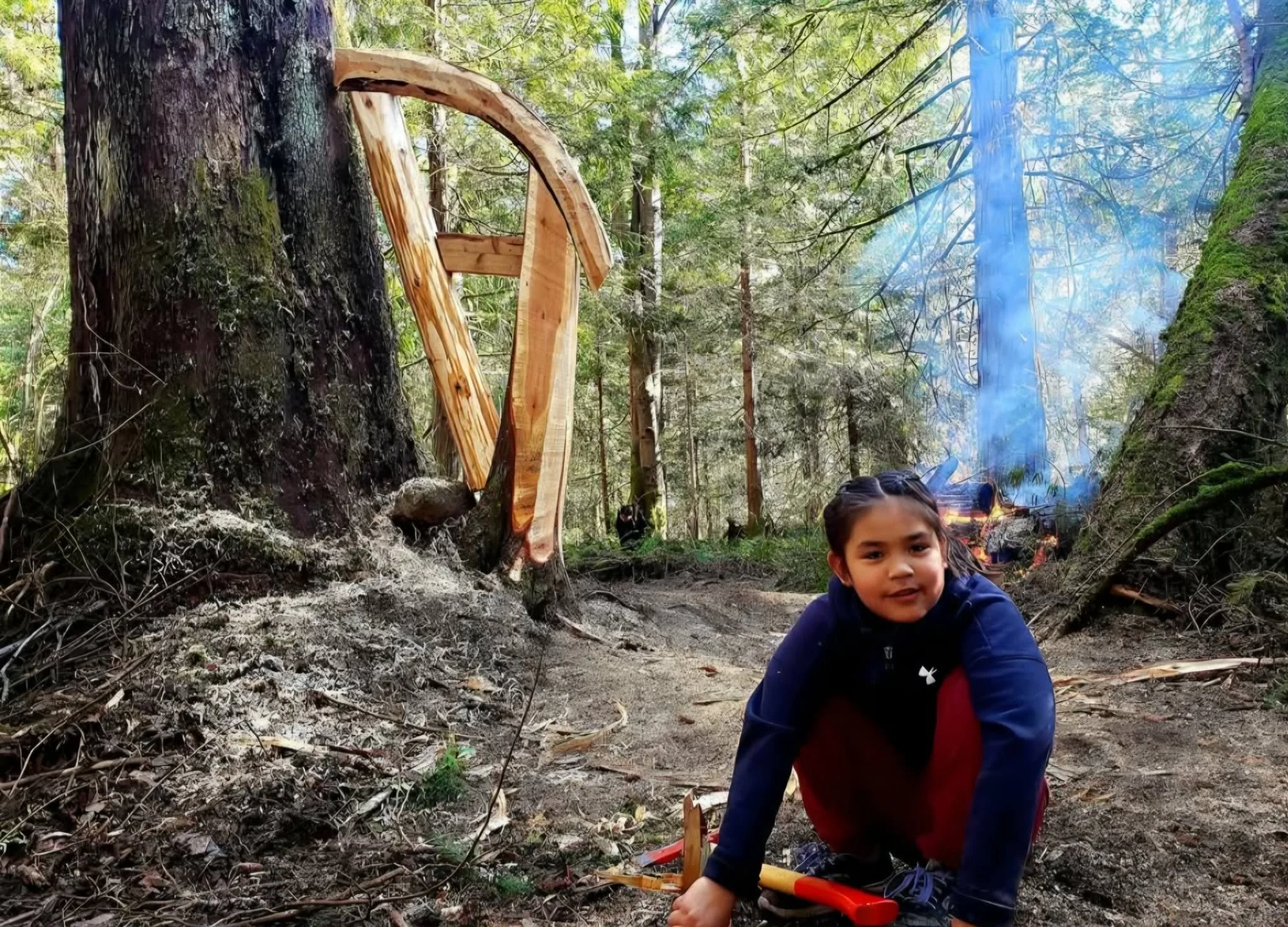
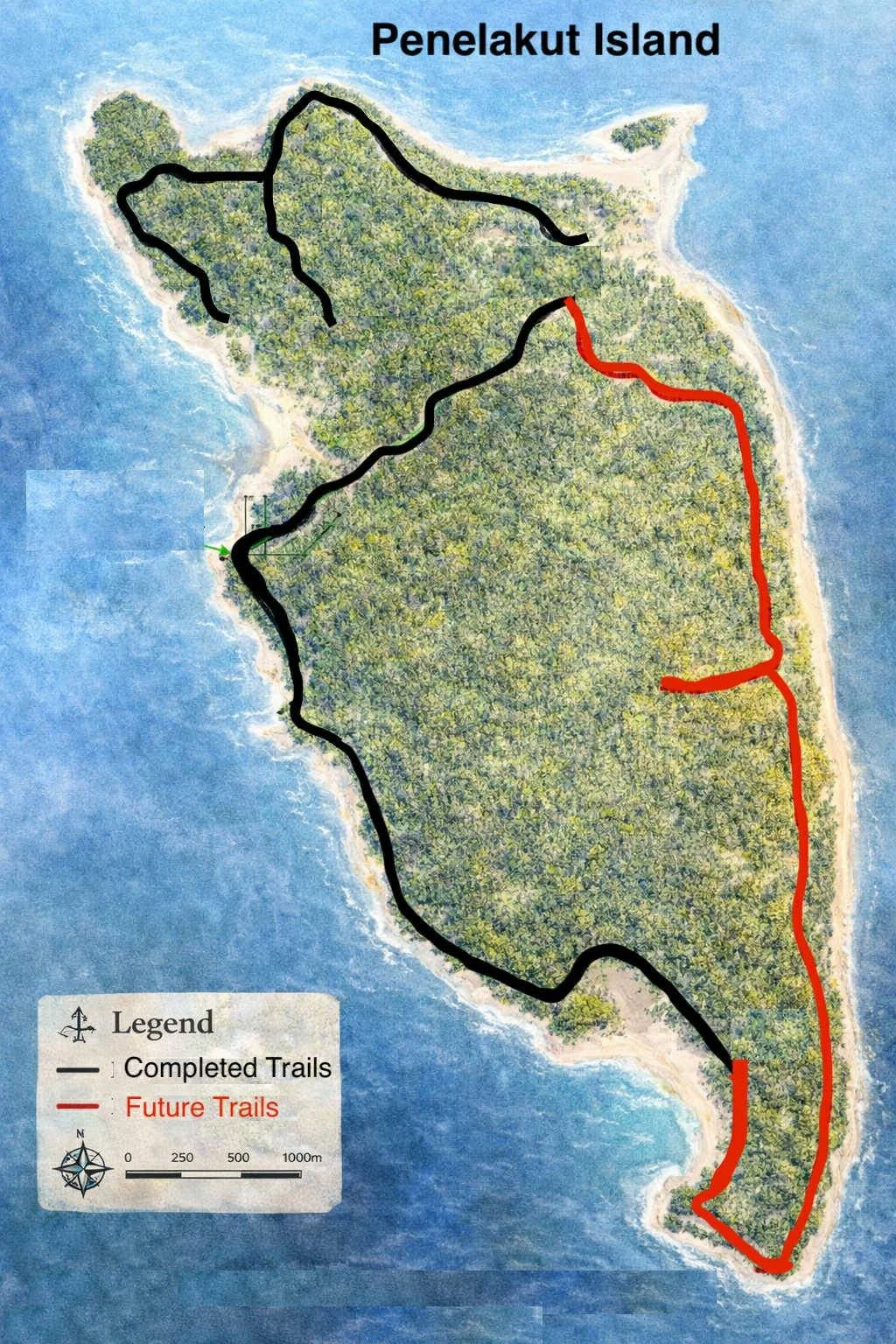
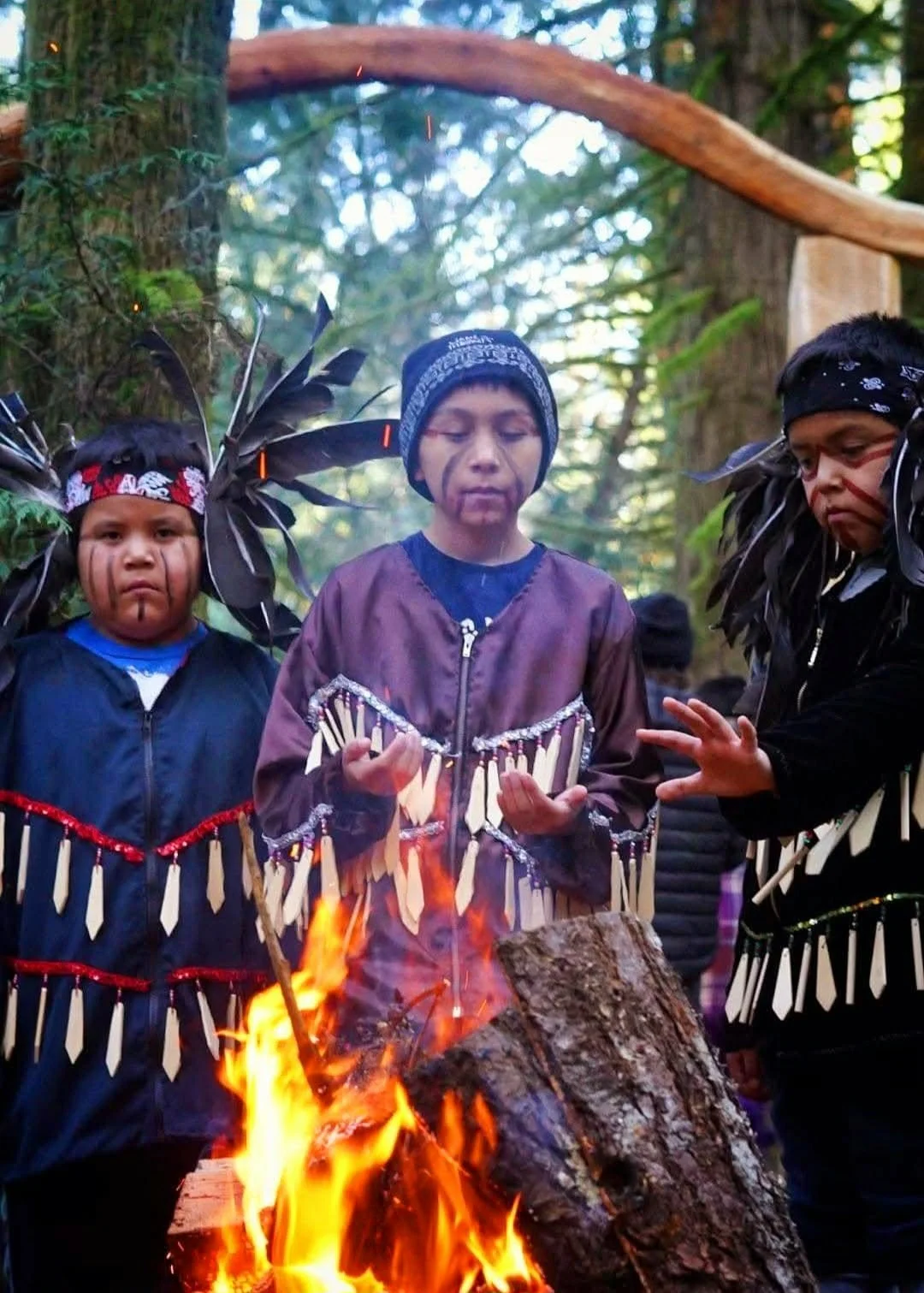
Earth Day is a time to honour our relationship with Mother Earth and the Coast Salish teachings that guide us to care for the land, waters, and future generations. Penelakut has been doing incredible work to create opportunities for children, youth, adults, and Elders to connect with nature through trails—bringing community together through land-based learning, language, and cultural practices. The following message from Story Trails Land-Based Educational Worker, Riley McIntosh, reflects this work in action:
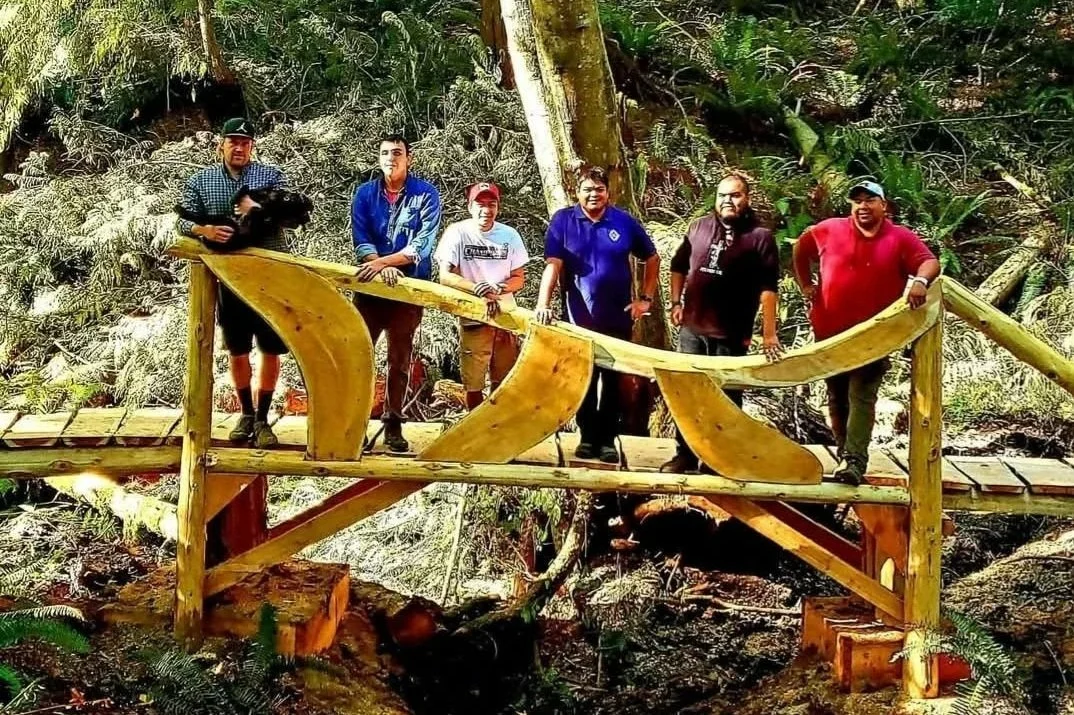
“Happy to announce that Story Trails Land-Based Education and Penelakut Tribe have been offered a further quarter million dollars to go towards the trails project. This funding is specifically aimed at hosting groups around the fire out on the trails, hearing stories from Elders, cooking traditional foods, and creating informative trail signs that strengthen learning of hul'qumi'num. A large portion of this funding is intended for hiring and employing Penelakut members. It has been our experience that creating jobs on-Island is a very positive focus. This funding is further confirmation that the idea of building healing infrastructure as a way to strengthen communities is real.
The Penelakut Trails Project has been ongoing for eight years and has utilized hundreds of thousands of dollars of unique sourced funding, procured by Story Trails Land-Based Education on behalf of and in-partnership with Penelakut Tribe.
We would like to acknowledge the incredible level of support we have received from Penelakut Chief and Council and especially Chief Pam Jack who stands very strong and positive in support for language, culture, youth, and getting outside on the land. Huy tseep q'u to Chief and Council and to all the Elders who have guided and supported this work.”
This work is a powerful reminder that caring for the land is inseparable from caring for community. By creating spaces for learning, healing, and cultural connection, these efforts ensure that Coast Salish traditions continue to thrive for generations to come. Huy tseep q’a to all those who carry this work forward.
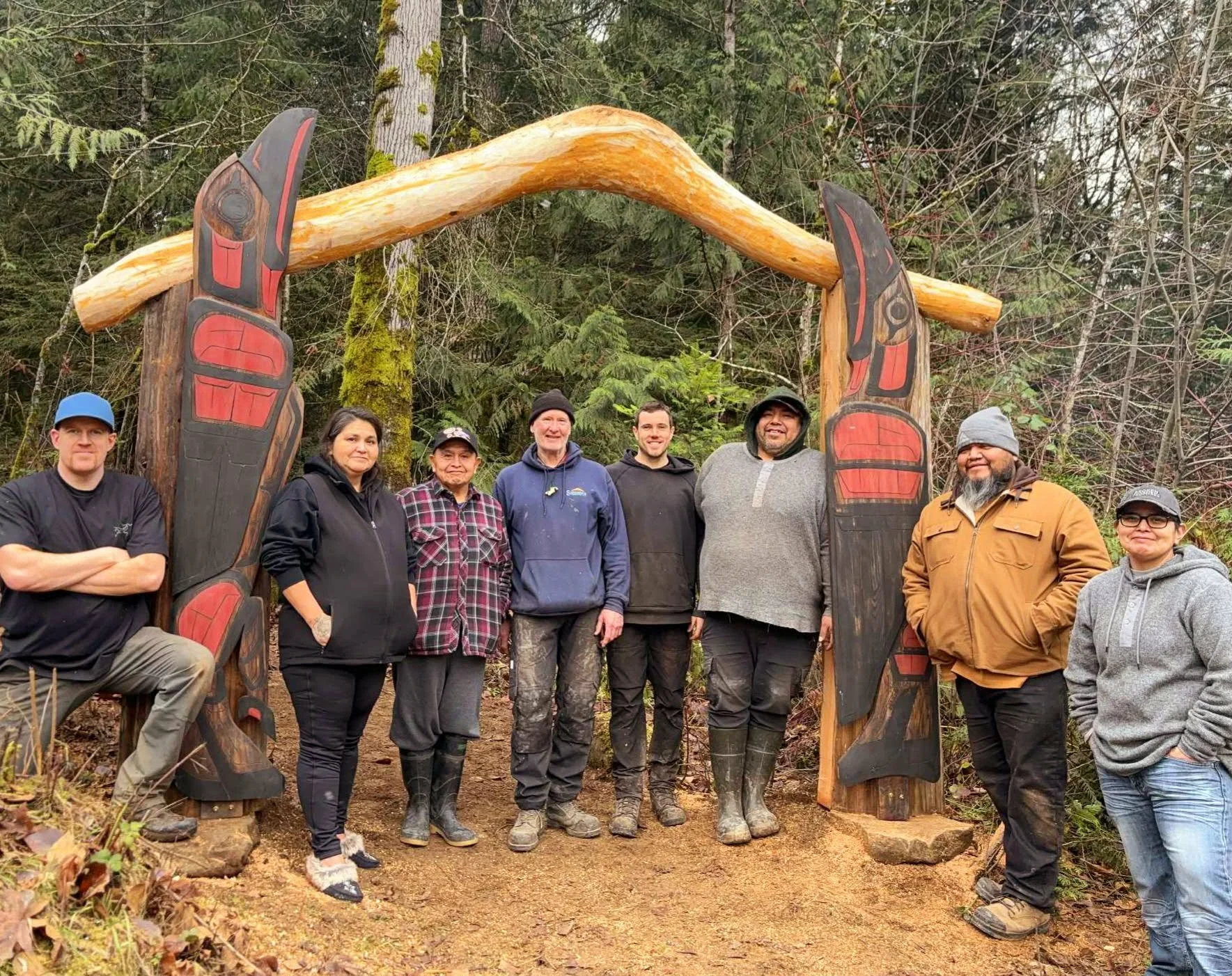
Restoring the Flow: Ts’uubaa-asatx First Nation and the Work of Watershed Stewardship
For Ts’uubaa-asatx First Nation, stewardship of the land and water is not a new responsibility—it is a sacred and ongoing relationship. In the Cowichan watershed, that relationship is being carried forward through dedicated, hands-on restoration work that is helping to bring salmon habitat back to life.
In 2024, the Nation led the Meade Creek Restoration Project, rehabilitating over 4,000 square metres of fish habitat. Through this work, 1,674 Coho salmon fry were introduced into newly restored areas—an important step toward rebuilding local salmon populations. These efforts are part of a much longer journey. For more than a decade, Ts’uubaa-asatx fisheries teams have been restoring creeks and waterways across their territory, from earlier projects like Oliver Creek to ongoing 2025 initiatives focused on gravel removal, log-jam clearing, and the creation of side channels.
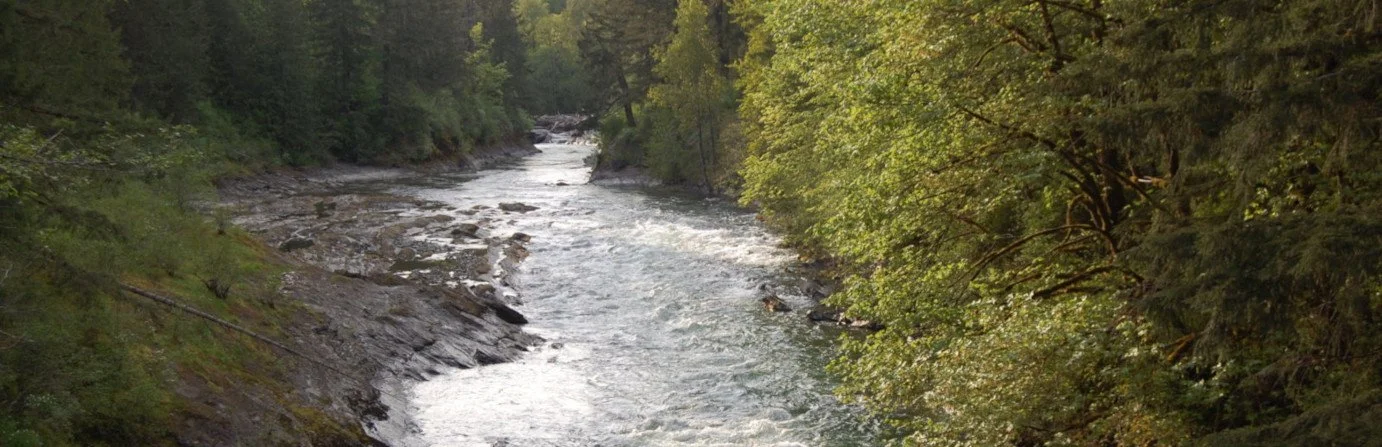
Each action—whether stabilizing stream banks, improving spawning gravels, or clearing passageways—helps restore the natural balance of the watershed. Healthier streams mean stronger salmon runs, and stronger salmon runs support not only the ecosystem, but the cultural, nutritional, and spiritual well-being of the community.
This work reflects a deep commitment to Indigenous stewardship: one that recognizes the interconnectedness of all living things and the responsibility to care for them. Through collaboration with partners like the Cowichan Watershed Board and the involvement of community members, Ts’uubaa-asatx continues to lead with knowledge rooted in generations of experience.
As part of Earth Week, this work reminds us that restoration is not only about repairing what has been damaged—it is about renewing relationships with the land and water, and ensuring they continue to sustain future generations.