Representation matters. When our children see Indigenous families, communities, languages, cultures, and traditions reflected on screen, it can help them feel seen, connected, and proud of who they are. It also gives all children an opportunity to learn about the diverse Indigenous cultures and communities across Canada.
There is a growing selection of Indigenous programming available through Canadian networks, streaming services, and YouTube. Many of these shows feature Indigenous creators, actors, Knowledge Keepers, languages, stories, and cultural teachings.
This National Day for Truth and Reconciliation, we’re highlighting a few shows families can enjoy with their little ones.
Kids TV Shows Available Soon
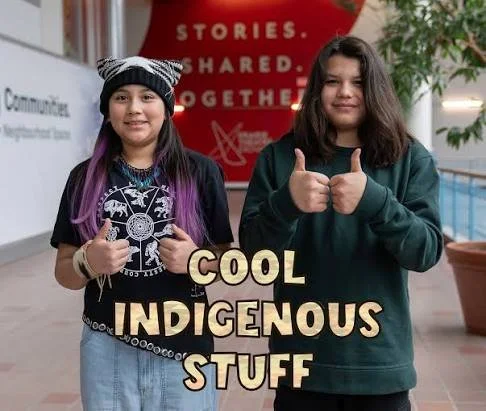
Cool Indigenous Stuff
Coming to CBC in Fall 2026
Ages 6–9
Join Indigenous youth Brody Morrisseau and Winter Sinclair as they explore Indigenous communities, events, food, music, sports, art, and culture. The series introduces kids to Knowledge Keepers, artists, athletes, and Indigenous creators while incorporating Ojibway words and phrases.
Where to watch: Coming to CBC in Fall 2026. Look for Cool Indigenous Stuff on CBC Kids when the series launches.
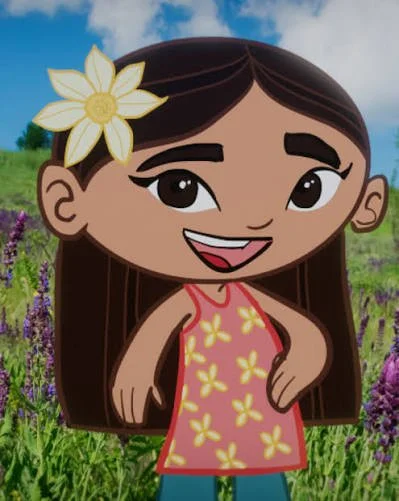
Stevie and the Sacred Animals
Coming to CBC in 2027
Follow six-year-old Anishinaabe girl Stevie as she moves to her First Nation community and learns about her connection to Mother Earth, animals, family, and community. Each episode includes an Anishinaabemowin language lesson.
Where to watch: Coming to CBC in 2027. The series is also being produced in association with APTN, Knowledge Network, and TELUS Independent.
Shows Available on APTN lumi for Kids and Families
APTN Kids offers a selection of Indigenous children’s programming, with many shows available through APTN lumi, APTN’s streaming service.
Indigenous Art Adventures
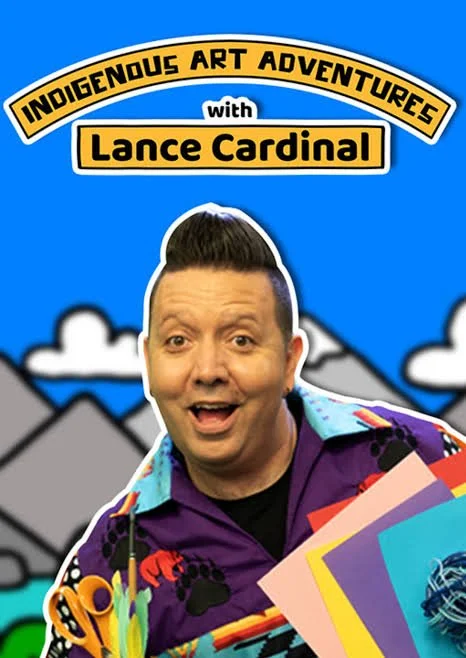
Join two-spirit Cree artist Lance Cardinal for colourful, hands-on art projects inspired by First Nations cultures. Kids can follow along using simple materials they may already have at home.
Where to watch: Search “Indigenous Art Adventures” on APTN lumi.
Coyote’s Crazy Smart Science Show
Indigenous youth explore science, technology, engineering, and math while connecting modern STEM with Indigenous knowledge and ways of understanding the world.
Where to watch: Search “Coyote’s Crazy Smart Science Show” on APTN lumi.
Chums
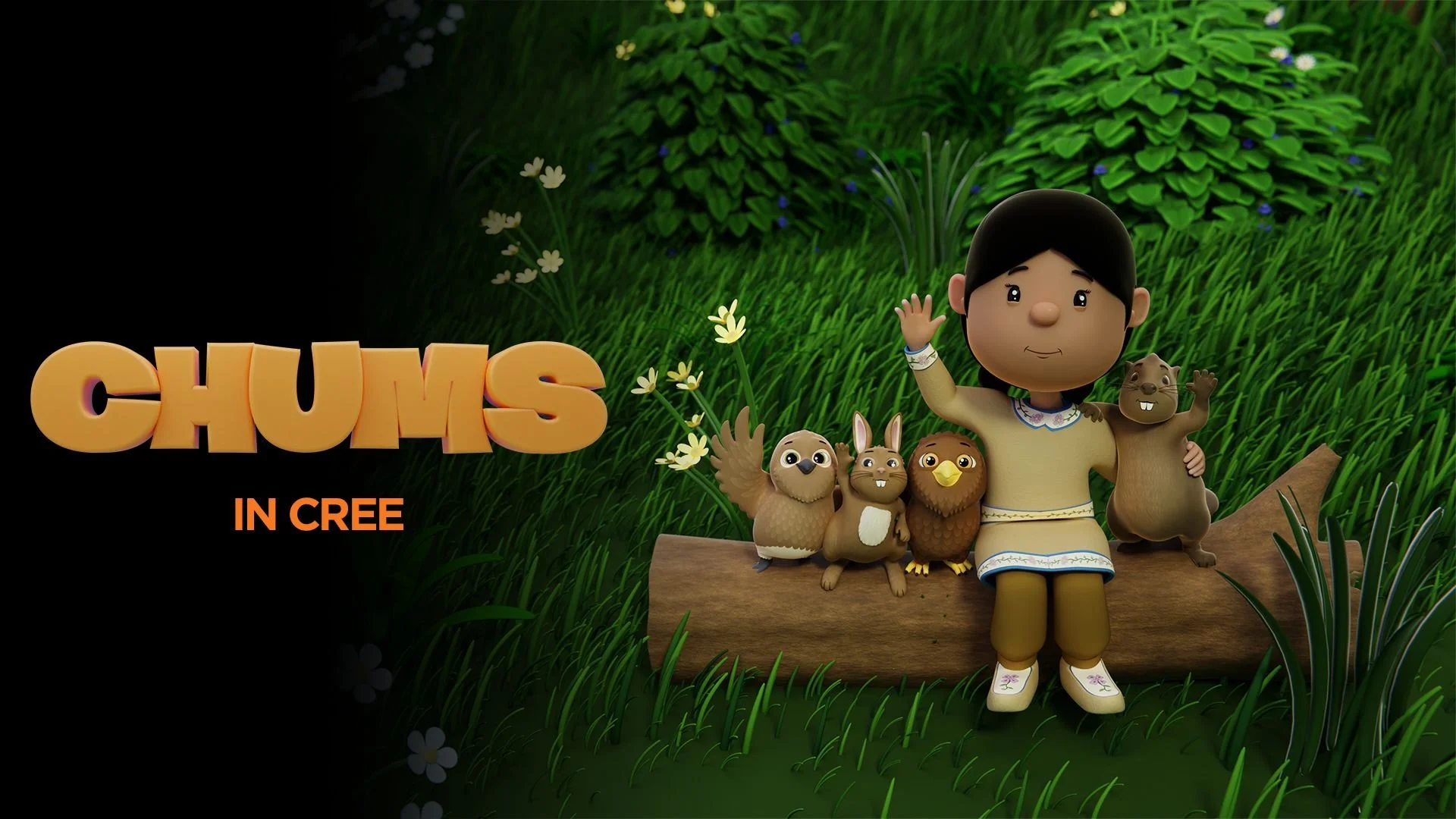
Follow Flies with Eagles and her animal friends as they explore their relationship with Mother Earth. This animated series introduces young children to Indigenous perspectives on nature, community, and the world around them.
Where to watch: Search “Chums” on APTN lumi.
Teepee Time
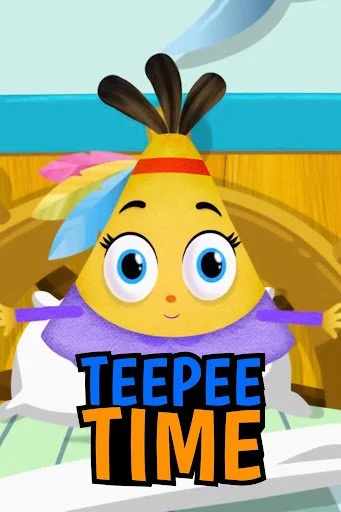
A playful series for little ones that follows a curious teepee as it discovers the world around it.
Where to watch: Search “Teepee Time” on APTN lumi.
Free Indigenous Shows on YouTube
Wolf Joe
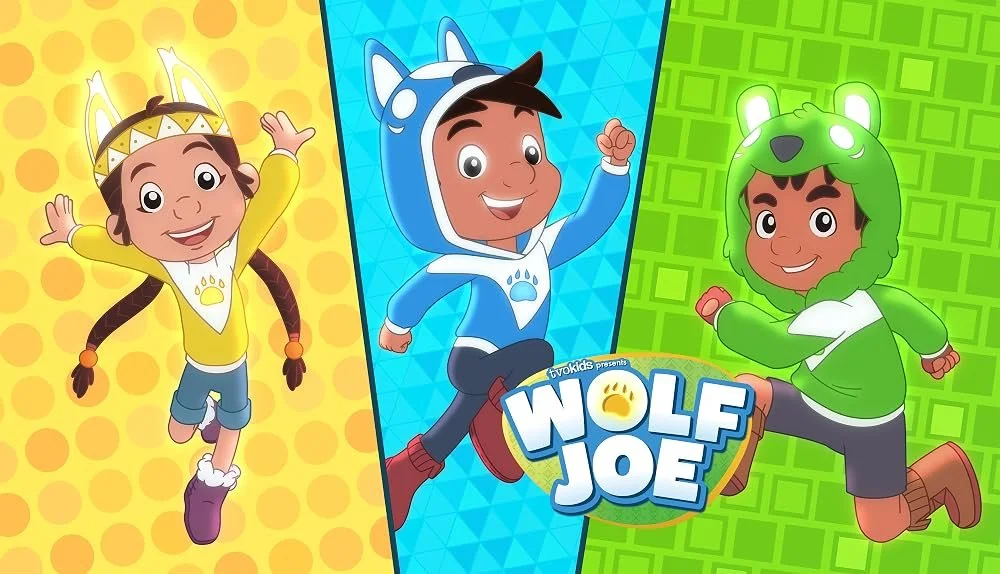
Follow Joe, a young Anishinaabe boy, and his friends as they go on adventures while learning about the Seven Sacred Teachings.
Raven’s Quest
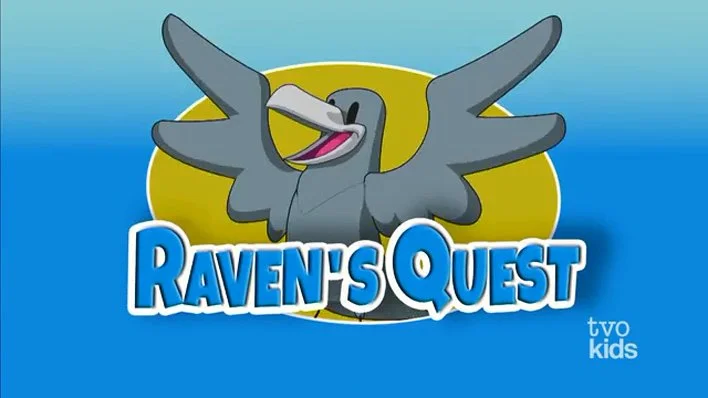
Indigenous children from across Canada introduce viewers to their communities, languages, cultures, and traditions. Each episode offers a child’s perspective on their home and community.
Celebrating Indigenous Cultures
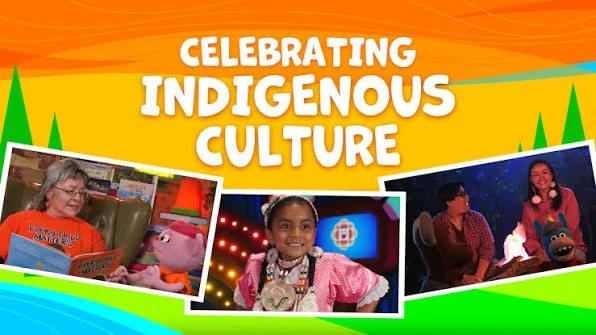
A collection of educational videos, songs, animated stories, and activities highlighting Indigenous languages, cultures, traditions, and relationships with the land.
Reading 9 different Indigenous Childrens Books Video
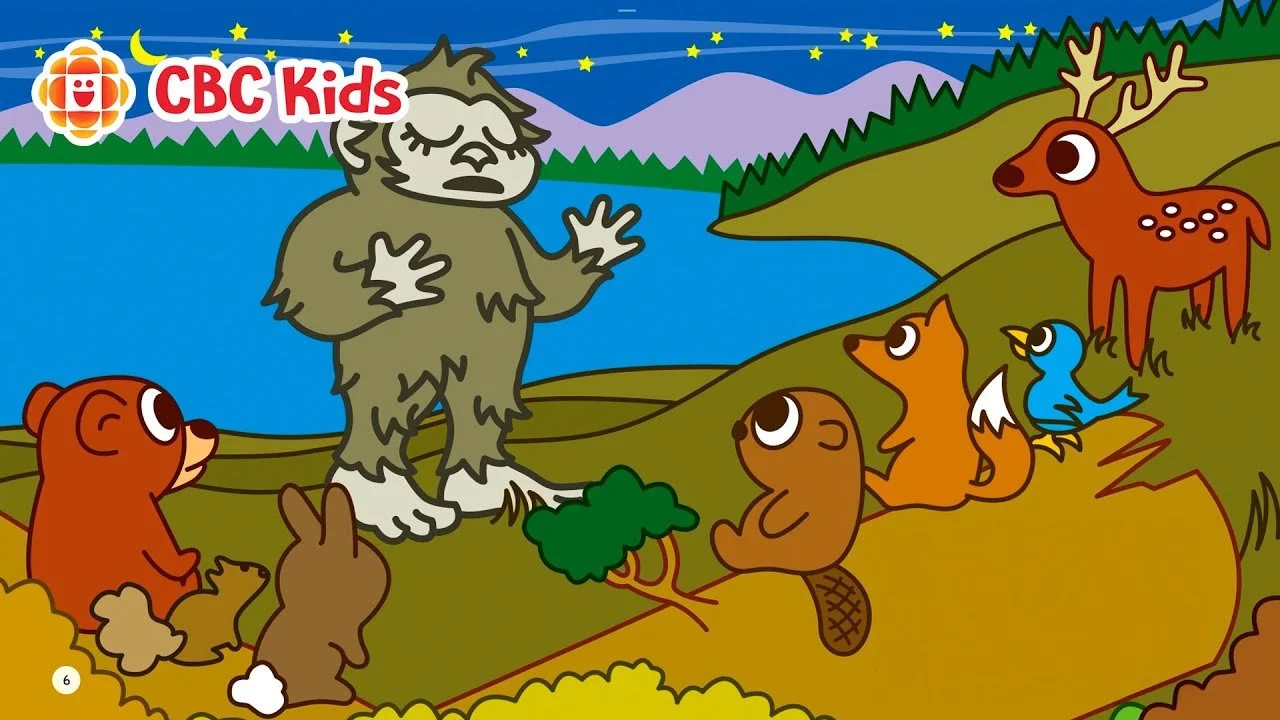
Join the CBC Kids Book Club and listen along as 9 Indigenous Canadian authors read their own children’s books!
These stories are a wonderful opportunity for children and families to discover Indigenous voices, cultures and storytelling.
Watching Together
Watching Indigenous programming together can be a great way to start conversations with children about culture, community, language, family, and connection to the land.
Take some time to ask your little ones what they noticed, what they learned, and what they enjoyed. Most importantly, let them know that Indigenous stories, voices, and representation belong on screen — because representation matters.